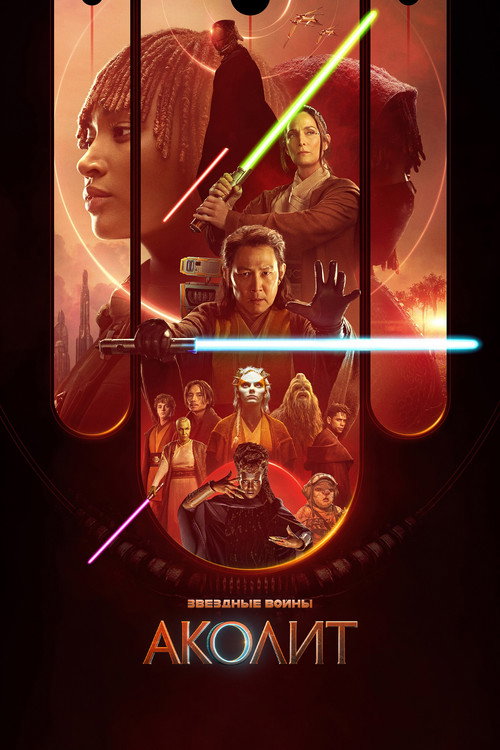
The Acolyte
Nine saga films, two spin-offs and a shelf of live-action series — working out how to watch Star Wars in order isn't simple. This collection lines up the whole galaxy as one path you can watch online, from the deep past to the rise of Skywalker.
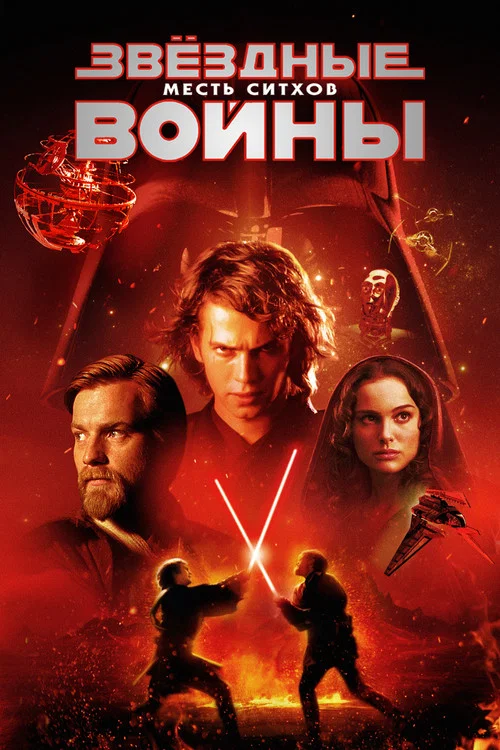
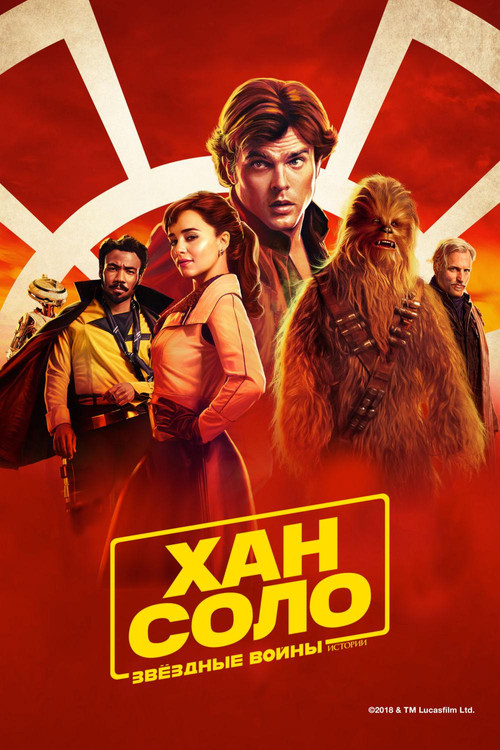
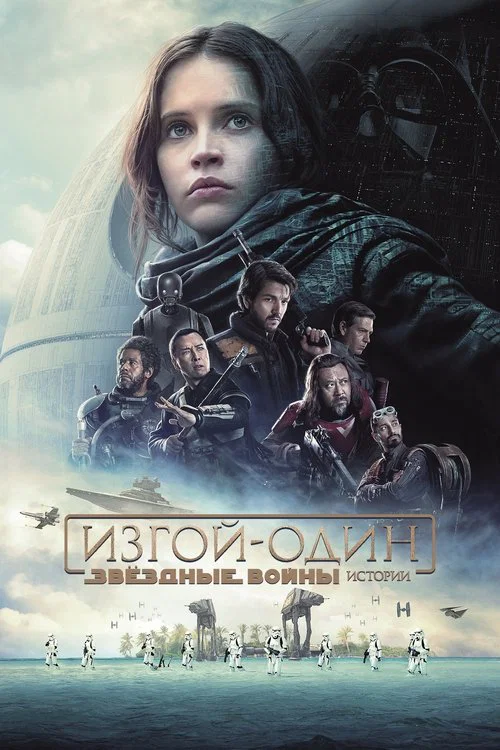
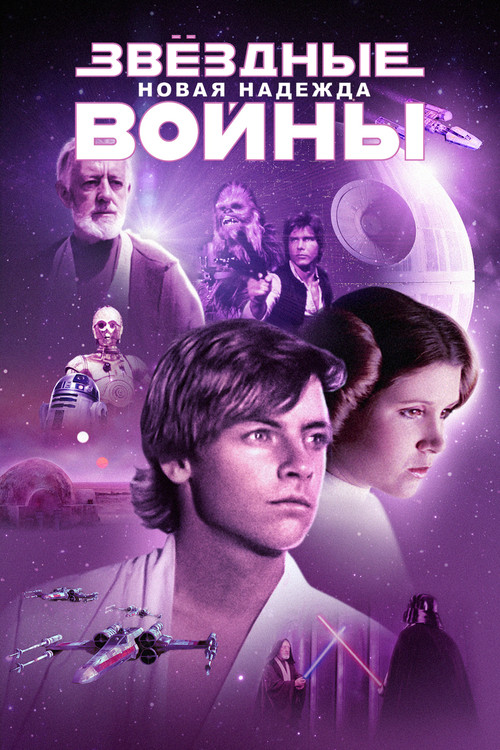
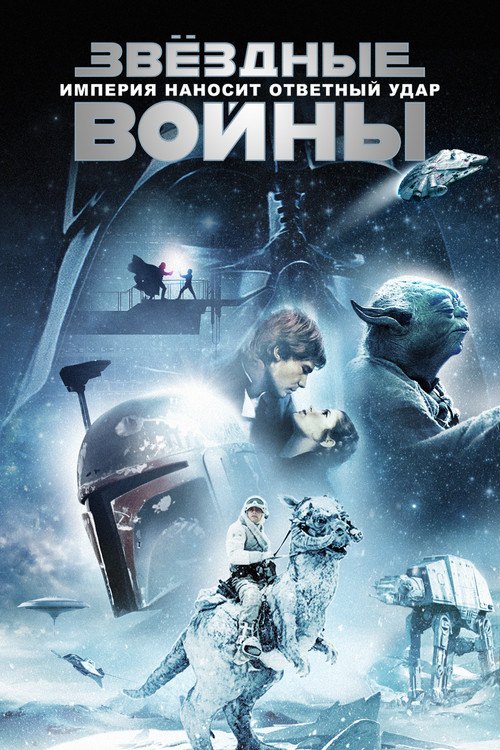
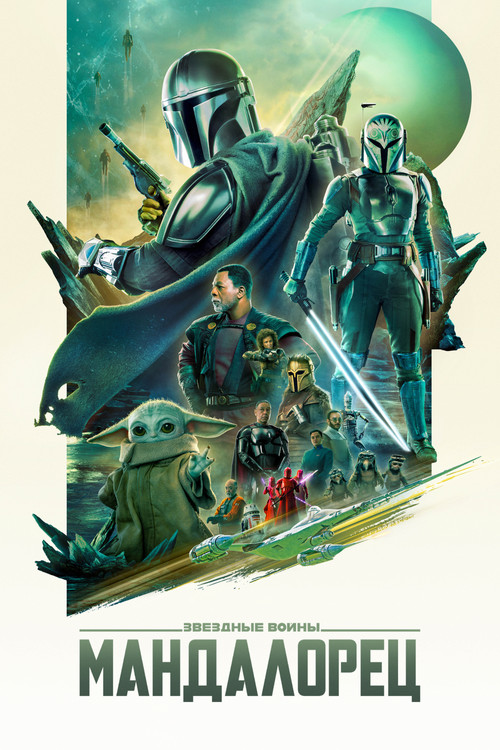
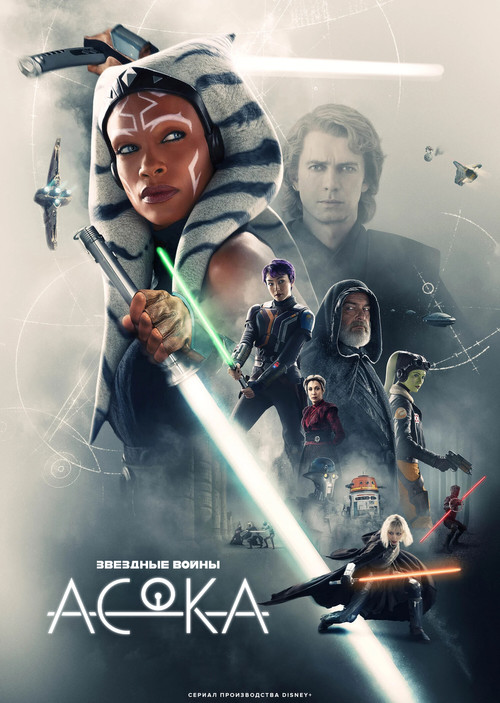
The spine here is in-universe chronology rather than release dates. It opens with The Acolyte in the High Republic, moves through the prequels — The Phantom Menace and Revenge of the Sith — into Solo and Rogue One, then the original trilogy with A New Hope and The Empire Strikes Back, with the New Republic era of The Mandalorian, Andor and Ahsoka woven between the films. Coverage spans nearly five decades, from 1977 to the latest Disney+ shows.
It works whether you're a newcomer entering the galaxy for the first time or a fan rewatching everything along the timeline. The article below breaks down how chronological order differs from release order, and which one suits you. Hit play on the first entry and jump to lightspeed.
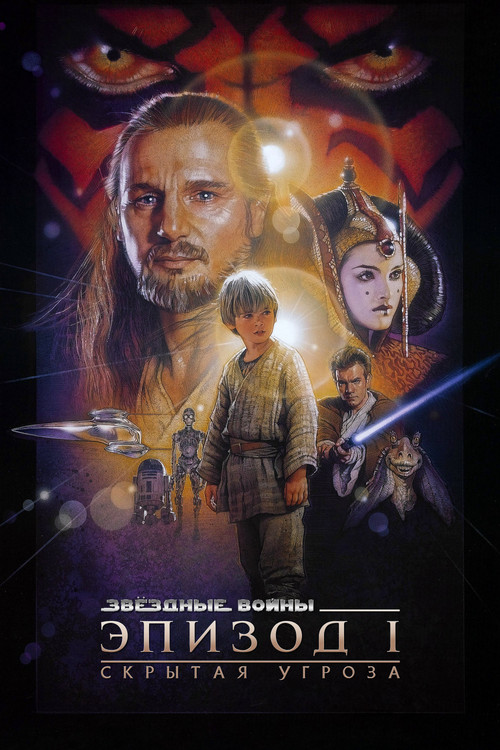
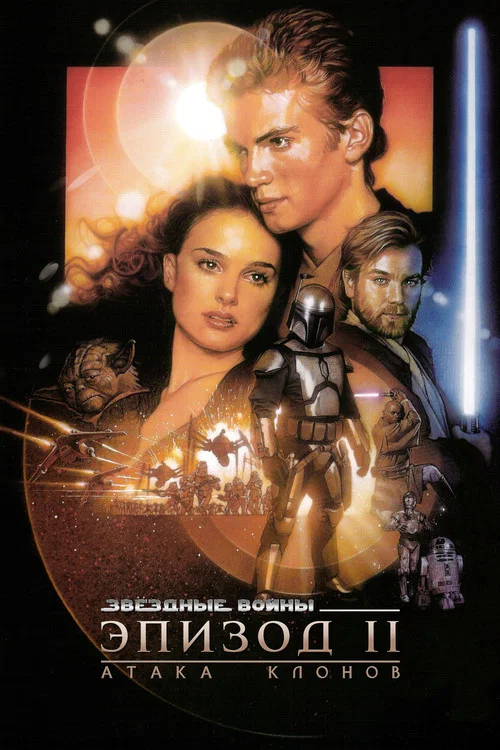
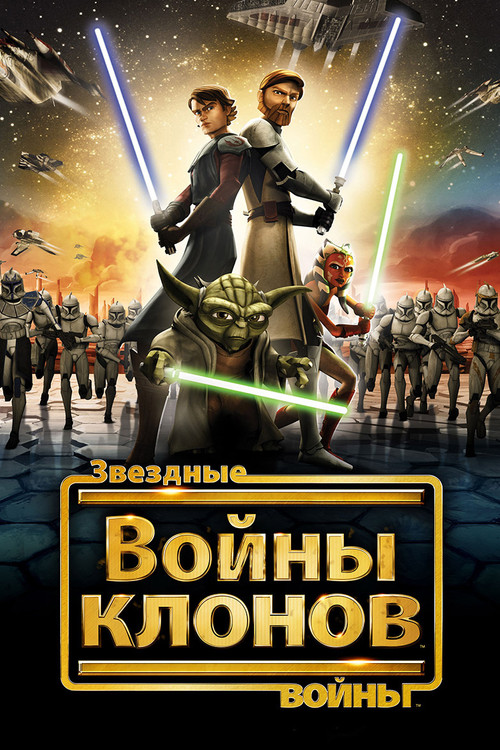
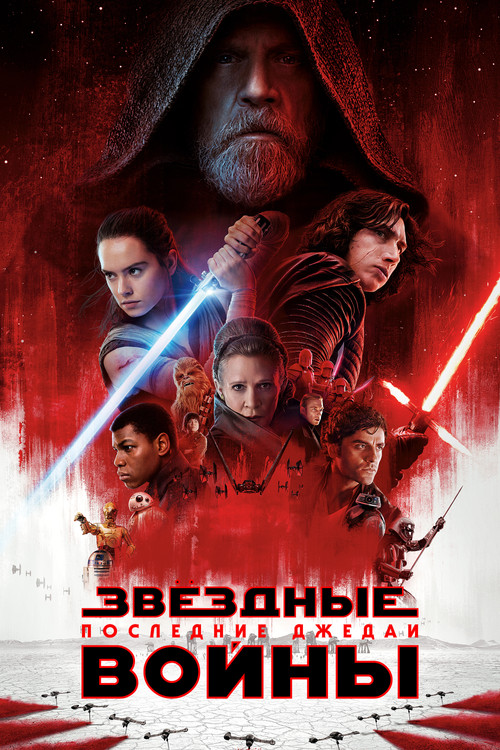
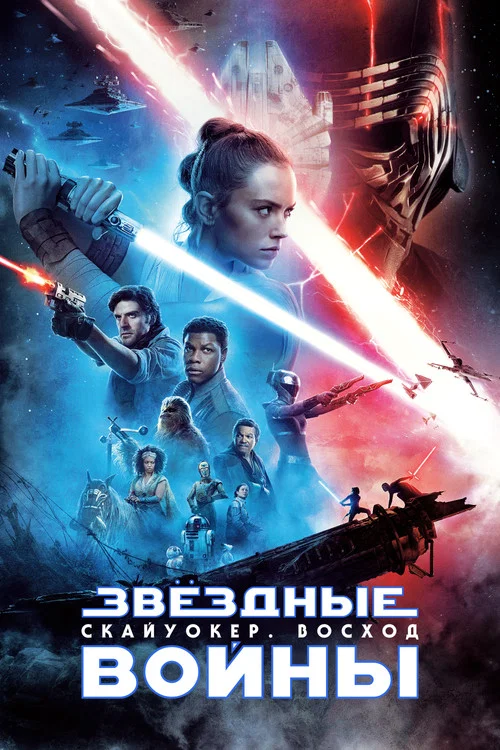
Star Wars is one of the rare franchises where the argument about viewing order runs longer than the Clone Wars themselves. Release date or chronology? Start in 1977 or with The Phantom Menace? There's no universal answer, but there is a logic that works for most viewers.
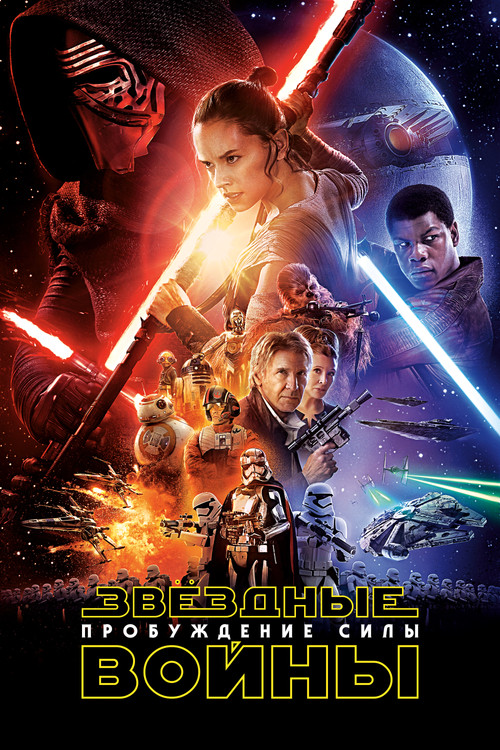
Release order is the path the whole world discovered the galaxy through: the original trilogy first, then the prequels, then the sequels. It protects the saga's biggest twist — the one George Lucas built all that intrigue around. Chronological order is different: events line up along the in-universe timeline, from the High Republic to the rise of Skywalker. The politics, the fall of the Republic and Anakin's arc all read more clearly, but some surprises lose their punch. This collection follows chronology, because that's what the question really asks — yet switching to release order is never too late.
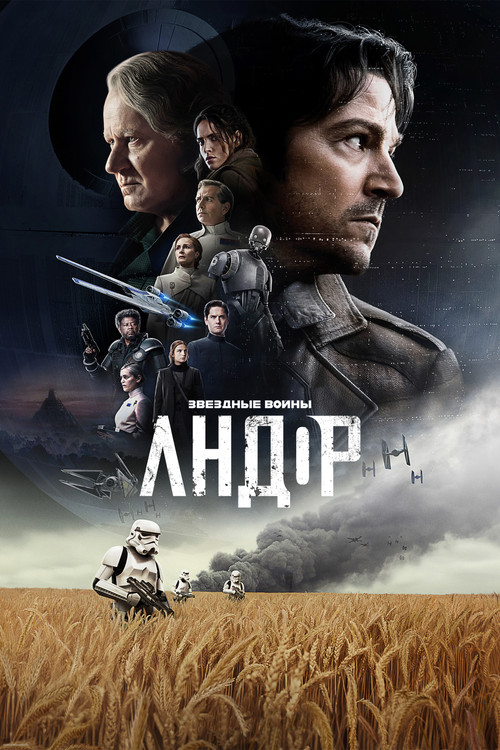
Newcomers have the easiest time with A New Hope: it's still the best door into the universe, no homework required. If you like context, The Phantom Menace shows the roots of the conflict right away. Rogue One deserves a special mention — a dark, almost-war film that locks directly into Episode IV and has pulled many people back in. And Andor proves Star Wars can be a grown-up spy thriller, not just a fairy tale about Jedi.
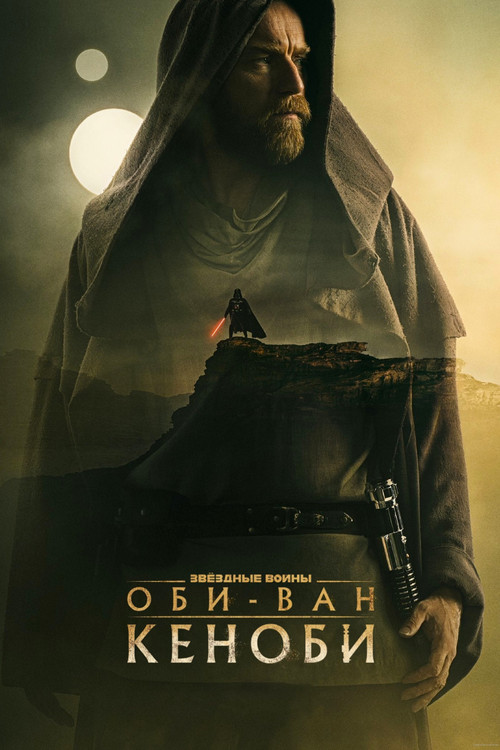
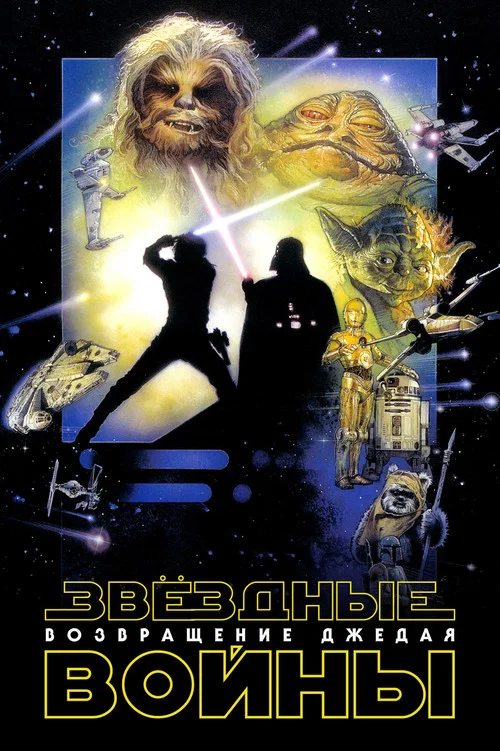
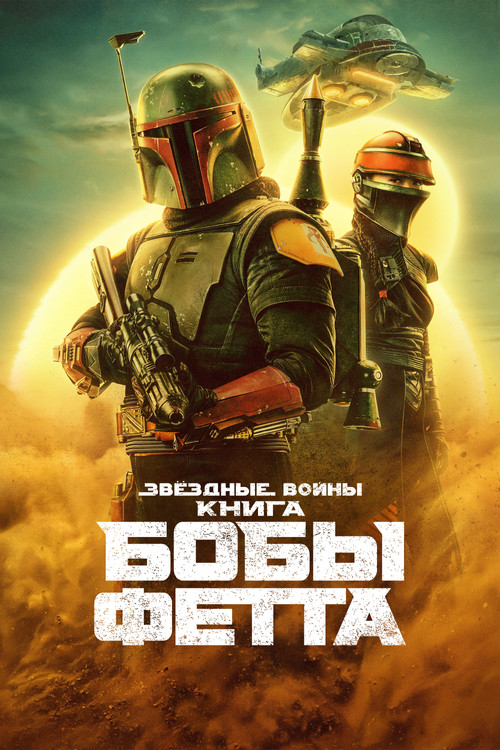
The full route includes the animated Clone Wars and the later shows, but none of that is mandatory. Short on time? Stick to the nine episodes plus Rogue One — that's the backbone of the Skywalker story. The Mandalorian, Ahsoka and The Book of Boba Fett expand the era after Return of the Jedi and form a line of their own, worth coming back to once the main saga is behind you.
For anyone who has put this off for years, and for fans who want to rewatch the whole thing with no gaps. The route is flexible: follow the list exactly, or build your own — just keep the thread between episodes. The galaxy is big, and it's worth the time.
Newcomers usually start with release order — A New Hope (1977), then the rest of the original trilogy, the prequels and the sequels. It keeps the saga's biggest twist intact. The chronological route in this collection works better for a rewatch.
Release order lands the story's surprises harder; chronological order makes the politics and Anakin's arc clearer. Most guides suggest release order for a first watch and chronology for a rewatch.
The nine episodes plus Rogue One cover the core saga. Shows like The Mandalorian, Andor and Ahsoka expand the universe and are worth it if you want to stay in the galaxy longer.