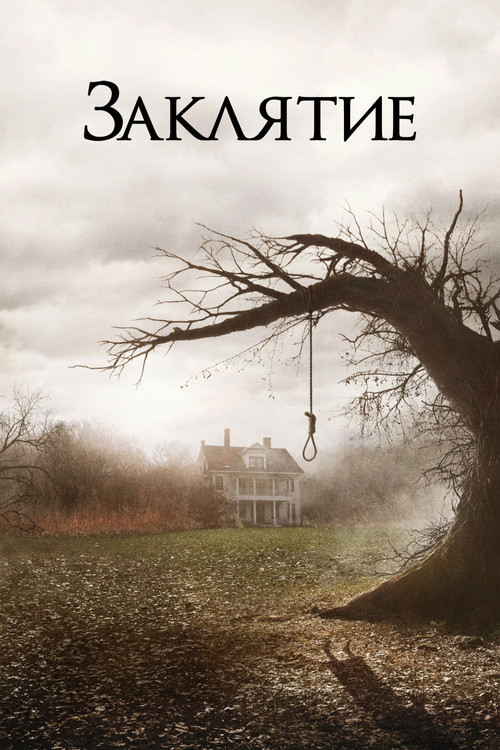
The Conjuring
Horror based on real cases hits harder than anything invented — and you can watch these films online: behind each one is a documented event, not a screenwriter's nightmare. The most frightening stories on screen weren't written — they sit in police reports and exorcists' archives.
The rule here was strict: no 'inspired by the mood of.' Only films with a concrete source — the Perron haunting in The Conjuring, the exorcism of Anneliese Michel in The Exorcism of Emily Rose, the Amityville murders, Sarah Winchester's mansion, the NYPD demonologist behind Deliver Us from Evil. From the 1973 Exorcist to the recent Conjuring: Last Rites.
This is for viewers who care less about gore and more about the chill of 'this really happened.' Press play after dark, look up the case when the credits roll — and maybe check that the door is locked.
The words 'based on a true story' at the start of a horror film do what no jump scare can: they take away your last defense — 'it's only a movie.' Every film here earns that line. Behind each one is a real case file, a court record, or a family that gave sworn testimony.
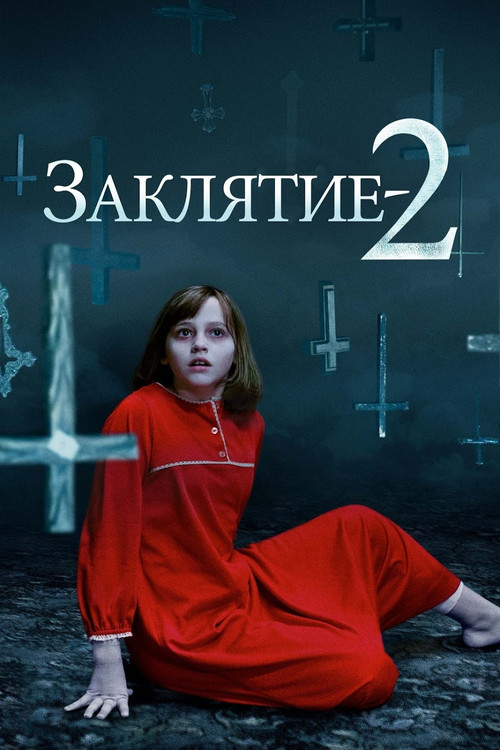
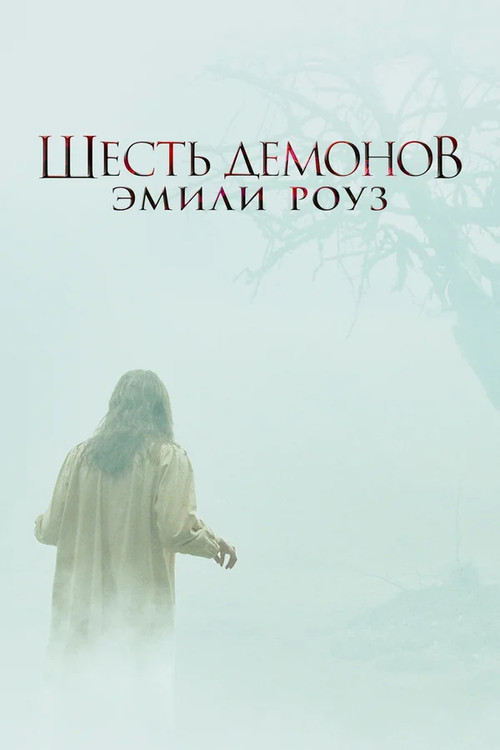
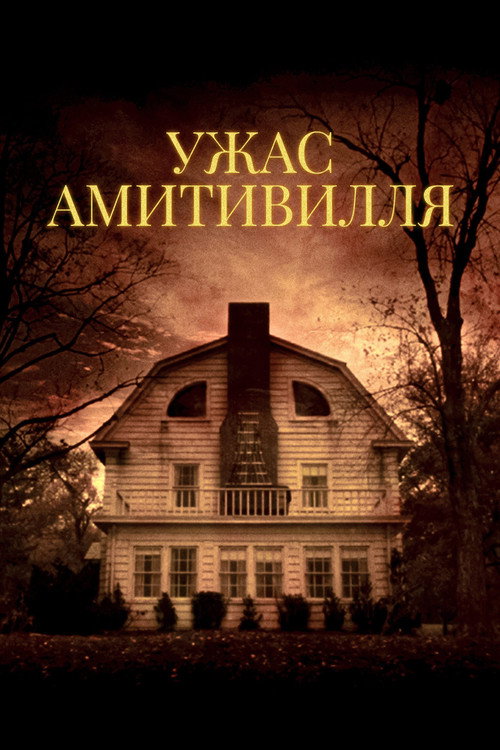
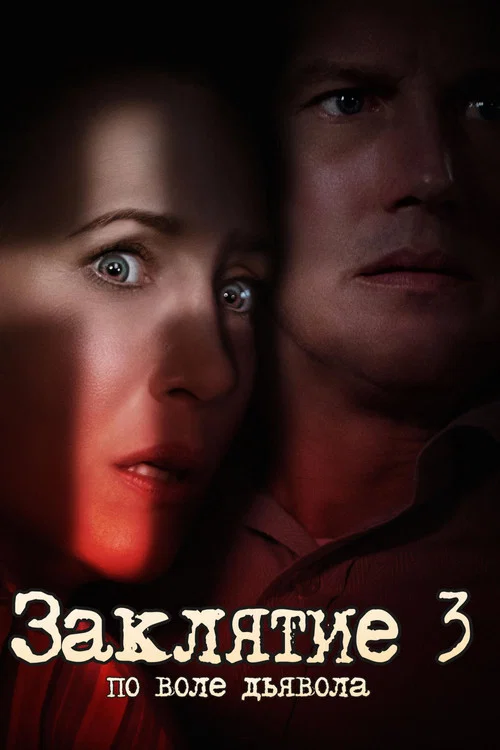
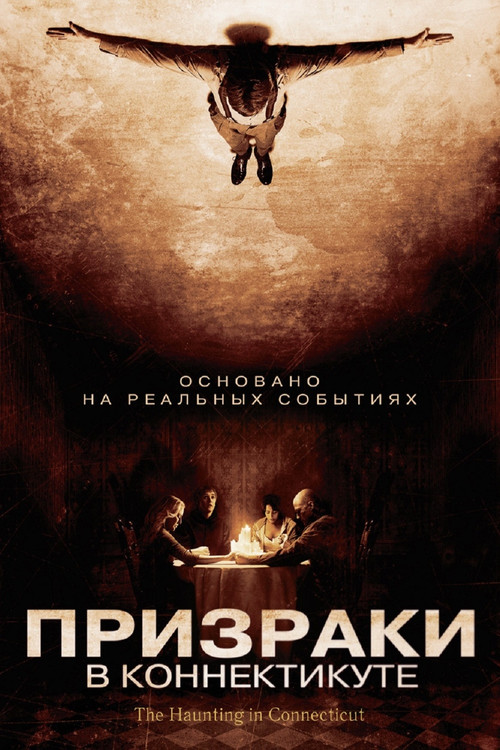
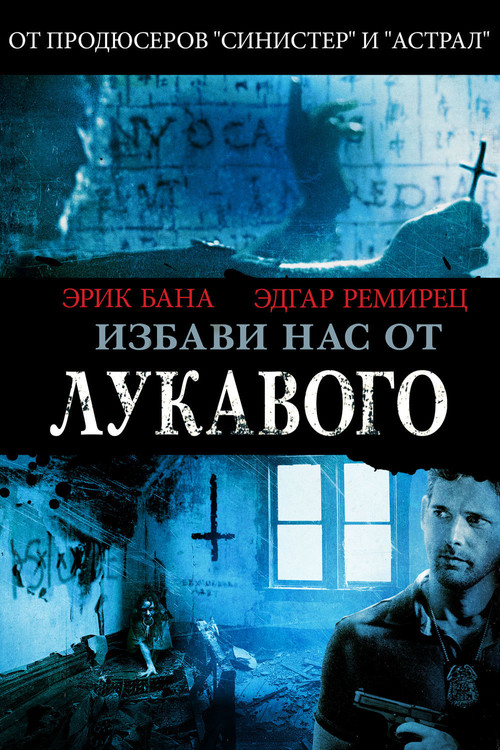
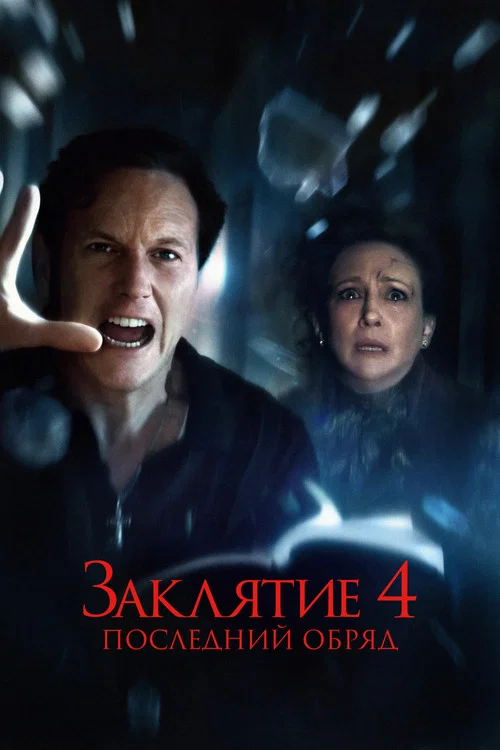
The Conjuring and its sequels grew out of the archives of Ed and Lorraine Warren, real-life demonologists who worked hundreds of cases. The Perron family and their Rhode Island farmhouse, the Enfield poltergeist outside London, and the Arne Johnson trial — the first U.S. case where the defense seriously argued demonic possession — all became the backbone of the universe. The Exorcism of Emily Rose is a near-documentary retelling of Anneliese Michel, a German student who died after months of exorcism rites, in a case that put the priests on trial. The Amityville Horror picks up where the real mass murder of the DeFeo family left off, while The Haunting in Connecticut follows the Snedeker family, who moved into a former funeral home. Deliver Us from Evil is drawn from the book by Ralph Sarchie, an actual NYPD sergeant who moonlighted as a demonologist.
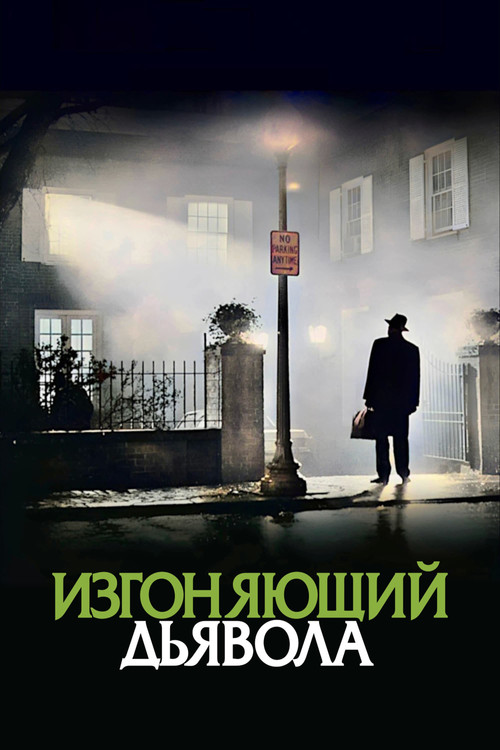
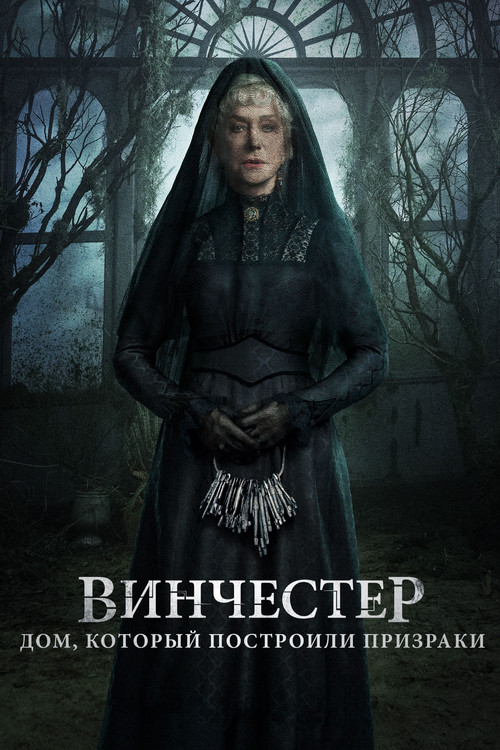
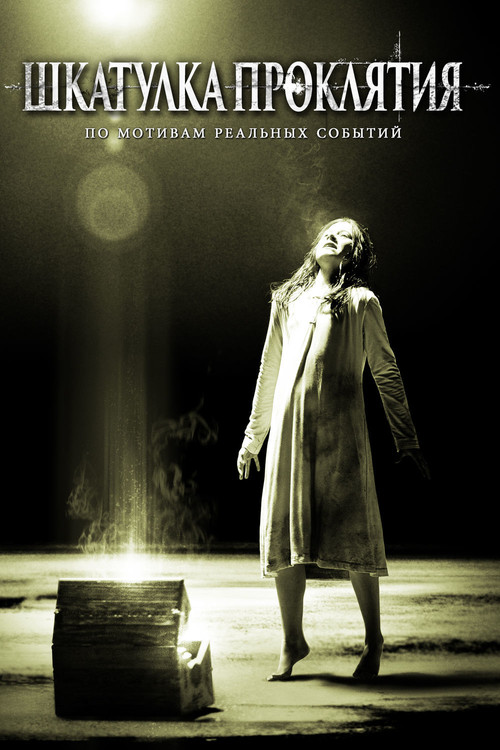
An honest note: 'based on real events' in horror almost always means the case was real, not the ghost. The Amityville house exists and the killings happened — the flying demonic pigs and bleeding walls were added later. The dybbuk box in The Possession really was sold on eBay with a chilling listing, but the curse is marketing. The Winchester mansion in California is real too: the firearms widow kept building it for decades, with stairs to the ceiling and doors that open onto walls, supposedly to confuse the spirits of everyone killed by her rifles. That doesn't cheapen the films; the best of them lean on the documented part and don't lie about the rest. The 1973 Exorcist, drawn from a 1949 ritual on a Maryland boy, still terrifies precisely because of its dry seriousness.
For the classic, start with The Exorcist — a benchmark that hasn't aged in fifty years. For slow dread without cheap scares, watch The Conjuring and The Haunting in Connecticut. For a real courtroom angle, The Exorcism of Emily Rose. And if you care less about the ghosts than about the people who believed in them and wrote down every detail, start with any Warren case and read the source material once the credits roll.
Yes. The first film dramatizes the Perron family case investigated by real demonologists Ed and Lorraine Warren, whose archive inspired the entire Conjuring universe.
The best known are The Conjuring, The Exorcist, The Exorcism of Emily Rose, The Amityville Horror, The Haunting in Connecticut and Winchester — each tied to a documented case.
It is based on Anneliese Michel, a German student who died in 1976 after months of exorcism rites; the priests who performed them were later put on trial.